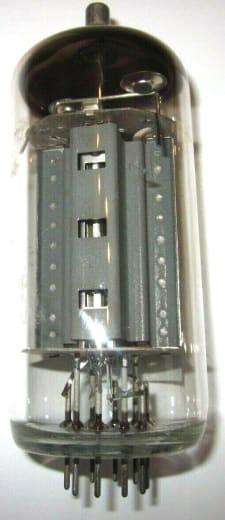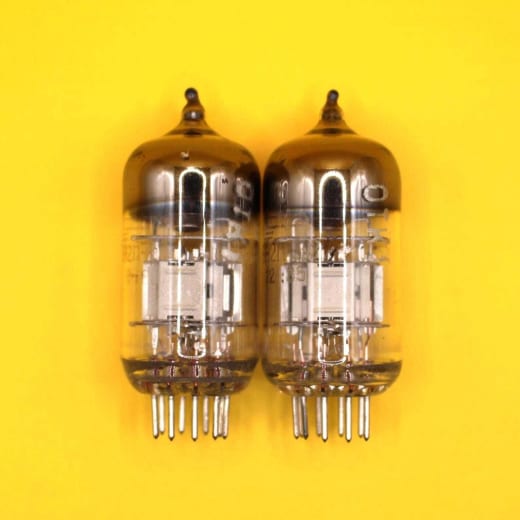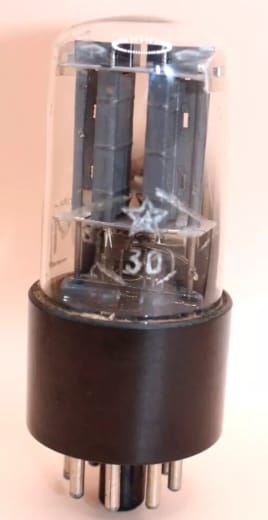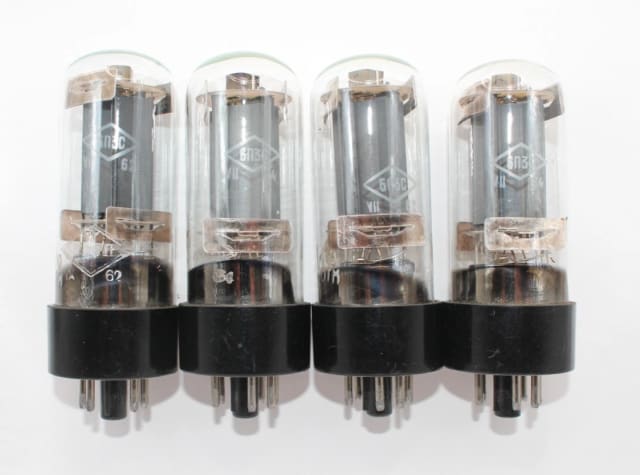

Many Soviet vacuum tube factories made vacuum tubes, gas-discharge indicators, VFDs, photomultipliers, and flash tubes. Some factory marks now matter because people search for exact versions: MELZ metal-base octals, Reflector 6N23P variants, Voskhod rocket-logo tubes, Foton octals, Svetlana power tubes, Gazotron Nixies.
In this article, we collected important and interesting details about these factories: logos, full names, locations, history, famous products, factory photos where available, and the tube versions people usually look for.
Quick Factory Logo Table
The table below lists the main marks used by the factories covered in this article.
| Logo | Factory mark | Full name and translation | Location | Model examples |
|---|---|---|---|---|
 | Рефлектор / Reflector | Саратовский завод приемно-усилительных ламп; later ПО/ОАО «Рефлектор». Saratov Receiving-Amplifying Tube Plant / Reflector association. | Saratov, Russia | Common on Soviet receiving and output tubes. Examples: 6P14P-EV, 6P3S-E, 6N23P. |
 | Светлана / Svetlana | АО/ПАО «Светлана». Svetlana electronic-industry plant. | Saint Petersburg, Russia | Seen on power tubes, rectifiers, and small-signal types such as 4P1L, 6P45S, 6S4S. |
 | МЭЛЗ / MELZ | Московский электроламповый завод. Moscow Electric Lamp Plant; later connected with MZEVP, Moscow Electrovacuum Devices Plant. | Moscow, Russia | Common on metal-base octal tubes and photoelectronic tubes. Examples: 6N8S, 6N9S, 30P1S. |
 | Восход / Voskhod | Калужский радиоламповый завод «Восход». Kaluga Radio Tube Plant “Voskhod.” | Kaluga, Russia | The rocket logo is tied to types such as 6N1P-EV, 6N2P-EV, 6J1P-EV. |
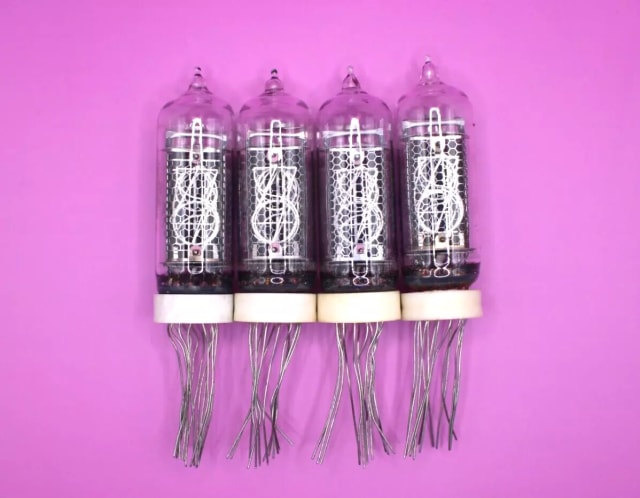
 | Газотрон / Gazotron | Ровенский завод газоразрядных приборов «Газотрон». Rivne Gas-Discharge Devices Plant. | Rivne, Ukraine | Important for Nixie and gas-discharge parts, not an audio receiving-tube mark. Examples: IN-14, IN-18, IN-12. |
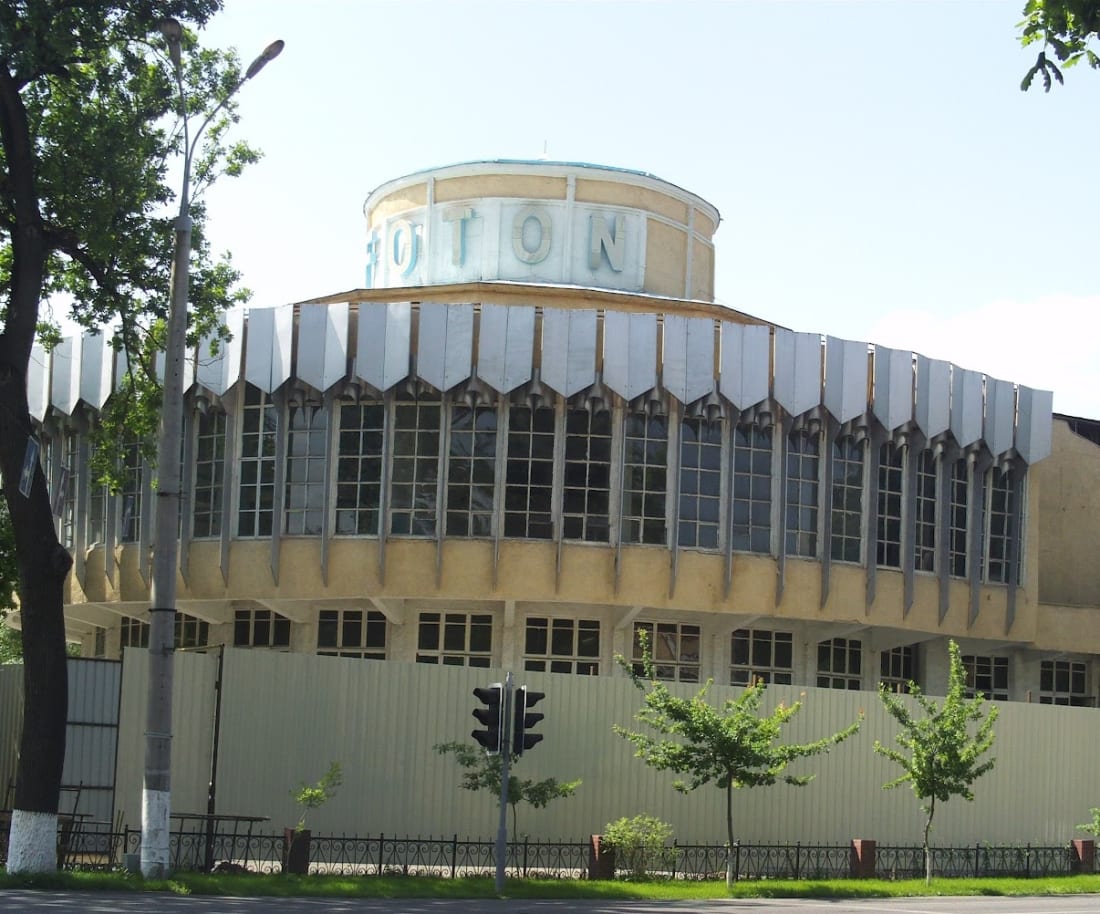
 | Фотон / Foton | Ташкентский электроламповый завод / ОАО «Фотон». Tashkent Electric Lamp Plant / Foton. | Tashkent, Uzbekistan | Often appears on older Soviet octal and receiving tubes. Examples: 6N8S, 6P3S, 6N6P. |
 | НЭВЗ / NEVZ | Новосибирский электровакуумный завод-Союз. Novosibirsk Electrovacuum Plant-Soyuz. | Novosibirsk, Russia | Examples include 6N8S and 6N6P. |
 | Ульяновский радиоламповый завод / Ulyanovsk | Ulyanovsk Radio Tube Plant. | Ulyanovsk, Russia | Example: 6S19P-V. |
 | Радиолампа / Исток / Fryazino | Завод «Радиолампа»; later NII-160 / NPP Istok. Radiolampa plant / Istok research-production enterprise. | Fryazino, Russia | Earlier Fryazino-marked tubes are less common. Example: Fryazino 6P3S. |
 | ОРЗЭП / ORZEP | Орловский завод электронных приборов. Orel Electronic Devices Plant. | Orel, Russia | Example: 6S7B-V. |
 | Разряд / Razryad | Завод «Разряд». Razryad plant. | Vladikavkaz, Russia | Gas-discharge and flash-tube parts. Example: INP3-7/80A. |
 | Плутон / Pluton | АО «Плутон». Pluton industrial enterprise. | Moscow, Russia | More relevant to microwave electrovacuum devices than normal audio receiving tubes. |
 | Рязанский завод электронных приборов / Ryazan | Ryazan Electronic Devices Plant. | Ryazan, Russia | Mostly relevant to power/RF tube discussions. |
Reflector, Saratov
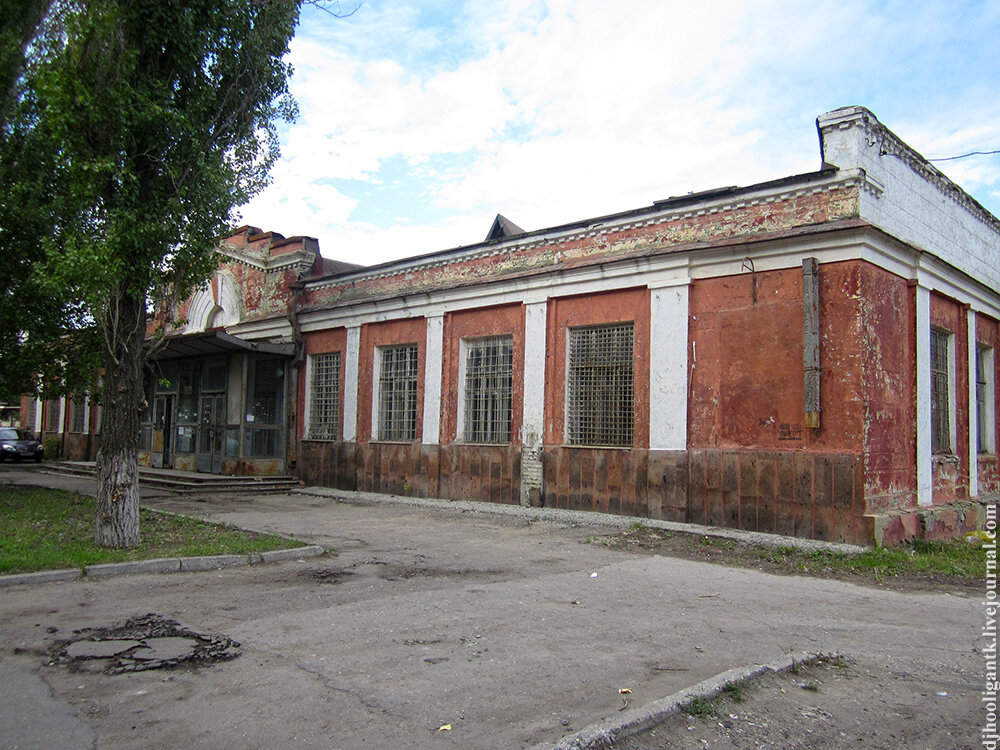
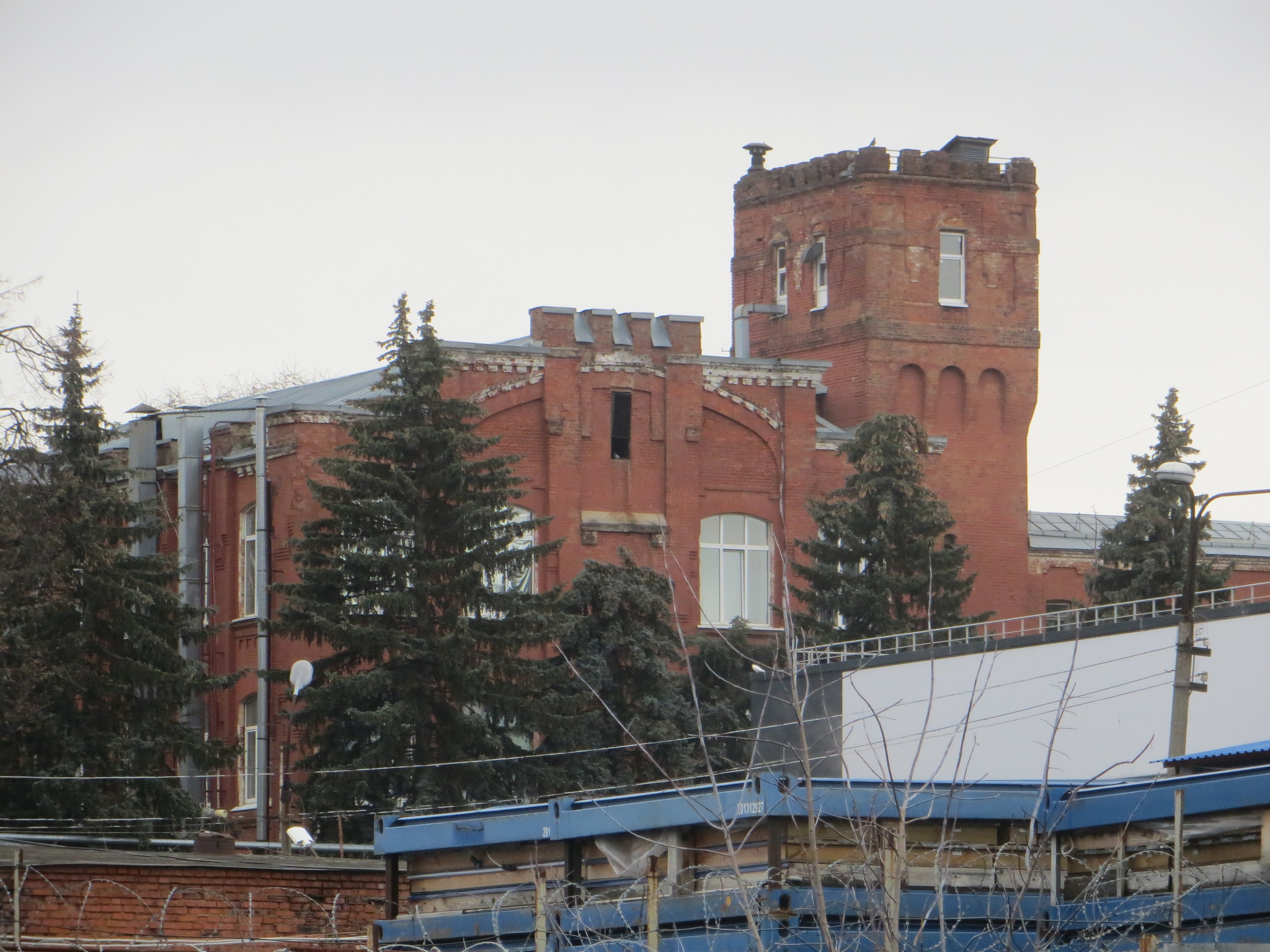
Reflector is one of the factory names seen most often. The older Soviet name to know is the Saratov plant of receiving-amplifying tubes, built as electrovacuum plant No. 338. Construction began in July 1946, the first 6N15P production appeared in October 1953, and by 1958 the plant made more than a quarter of the receiving-amplifying tubes produced in the USSR.
In the 1970s and 1980s the plant also moved into display and indicator technology. The later production association “Reflector” released its billionth receiving-amplifying tube.
In 1998, Mike Matthews bought the vacuum-tube factory at ExpoPul in Saratov’s Reflektor industrial complex. The old Saratov receiving-tube enterprise went bankrupt in the 2000s; modern Saratov-made New Sensor/EHX tubes are connected with the ExpoPul operation.
Reflector produced receiving, output, rectifier, and indicator types such as 1A1P, 1J29B, 2J27L, 6Ts4P, 6E1P, 6J13L, 6J38P-EV, 6J3P-E, 6I1P-K, 6N3P-E, 6N9S, 6N23P, 6N23P-EV, 6N14P, 6P14P, 6P14P-EV, 6P15P-EV, 6P18P, 6P3S, 6P3S-E, 6P43P-E, 6P6S, 6S3P-EV, 6S4P-EV, 6S45P-E, 6S5S, 6V1P, 6V2P, 6V3S, 6V6, and 6E5P.
Reflector also appears on VFD and display parts. Public photo records show P408, P416, P417, P418, P543, P576A, P617, P684, P789, ILT1-15M, ILT1-8M, ILT3-15M, ILT4-30M, ILM1-7L, ILM1-12MV, ILC6-4/7L, and the P177 prototype connected with IV-19. Linked Reflector display examples include ILC1-1/7, IV-3A, IV-6, IV-20, and IV-22.
People usually look for Reflector by exact construction phrases: 6N23P getter-on-the-wire, 6N23P silver shields / SWGP, 6P14P-EV / EL84M, 6P3S-E same-date pairs, 6P15P-EV, and 1579 / 6N9S.
Svetlana, Leningrad / Saint Petersburg
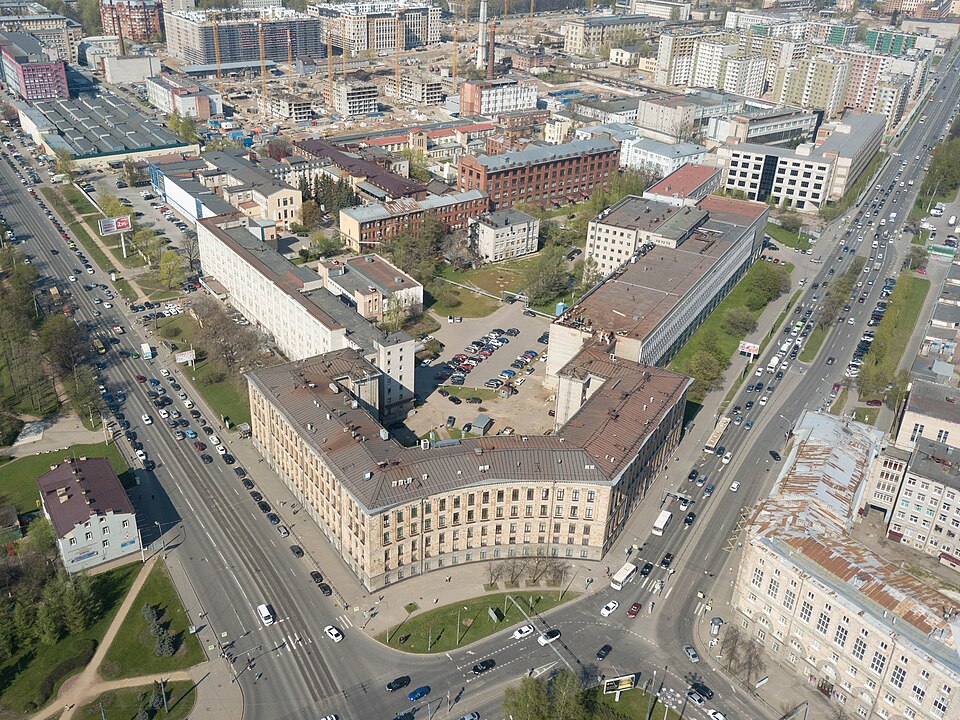
Svetlana is one of the oldest names in Russian electronic manufacturing. AO Svetlana has more than 130 years of history. Today the company is still active, with product directions that include microwave devices, X-ray tubes, generator and modulator lamps, and related technology.
Svetlana produced tube models such as 4P1L, 5C3S, 5C8S, 5Ts12P, 6550C, 6A2P, 6AK5, 6B8S, 6D22S, 6J2P-EV, 6J32P, 6J4, 6J5P, 6J7, 6N13S, 6N3S, 6N5S, 6P1P, 6P1P-EV, 6P5, 6P9, 6P27S, 6P31S, 6P45S, 6P6S, 6S33S, 6S33S-V, 6S4S, 6F1P, 6F3P, 6Ts13P, EL34, KT88/SVKT88, SV6550C, GP-3, GP-5, GP-8, GMI-7, GMI-21-1, GU-33B, GShV-1A, PMT-4M, and 10J12S.
People usually look for Svetlana versions such as 4P1L, black-anode 6S4S / 6C4C, 1950s 6P6S with butterfly getter, 6P45S, 6J32P / EF86, 5C3S black-anode rectifiers, and 6E5S magic-eye indicators.
MELZ, Moscow
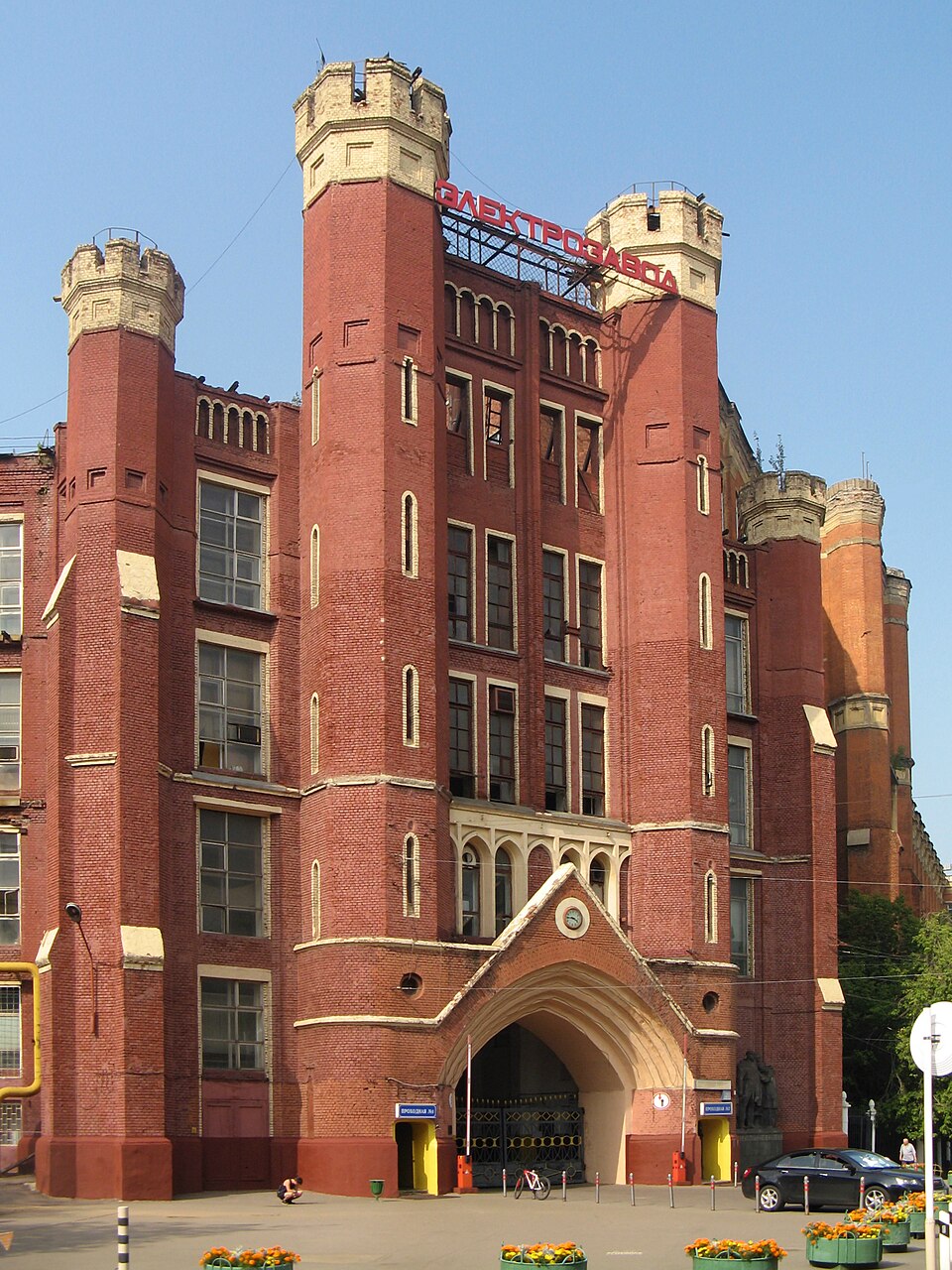
MELZ stands for Московский электроламповый завод, or Moscow Electric Lamp Plant. MZEVP was the head enterprise of the MELZ association, founded from a 1907 electric-lamp workshop. Its products included color picture tubes, gas-discharge devices, electrovacuum glass, and other electronic products. Wartime production included radio tubes and cathode-ray tubes for radar equipment.
The old OAO MELZ was liquidated in 2008. Later MELZ-related electrovacuum and photoelectronic work moved into separate successor companies and industrial clusters.
MELZ produced tube and photoelectronic models such as 1E4A, 6BC-1, 7Ts23K, 6S3B, 6J2B-V, 6N16B-VI, 6N18B-V, 6H7B-VR, 6N8S, 6N9S, 30P1S, DVS-25, LP-4, LP-5, LP-6, FEU-39A, FEU-85, and ISSH-15.
People usually look for MELZ by old octal construction terms: metal-base 6N8S / 1578, hole-plate 6N8S, metal-base 6N9S / 1579, and metal-base 30P1S. MELZ also appears on photomultiplier and stroboscopic parts: FEU tubes, DVS tubes, LP trochotrons, and impulse lamps.
Voskhod, Kaluga
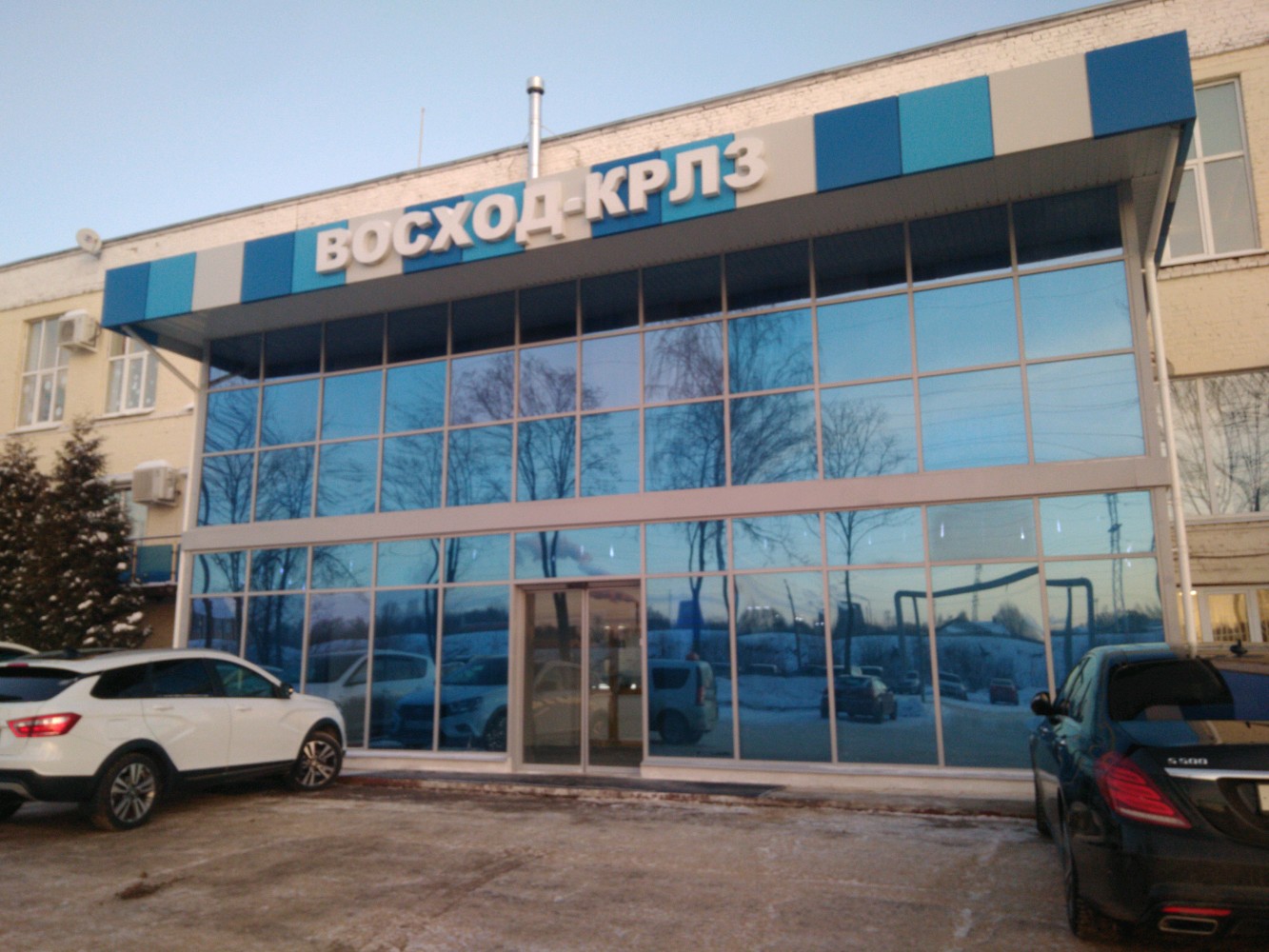
Voskhod means “sunrise,” but the mark is usually recognized by the rocket logo. The Kaluga Radio Tube Plant was officially formed on December 22, 1960. The first 38 Kaluga 6J1P lamps were assembled that day. Production of 6J1P and 6N1P on in-house parts was mastered in 1961, and the 100-millionth lamp was released in June 1967. The factory later moved strongly into integrated circuits and other electronics.
Today, the Voskhod-KRLZ company identity still exists in Kaluga.
Voskhod produced tube models such as 6DJ8, 6J1P-EV, 6N1P, 6N1P-EV, 6N2P, 6N2P-EV, 6N23P, 6N24P, and 6Z1P.
People usually look for Voskhod versions such as rocket-logo 6N23P, 6N23P SWGP, same-date 6N1P-EV, triple-mica 6N2P-EV, and 6J1P-EV / EF95.
Gazotron, Rivne
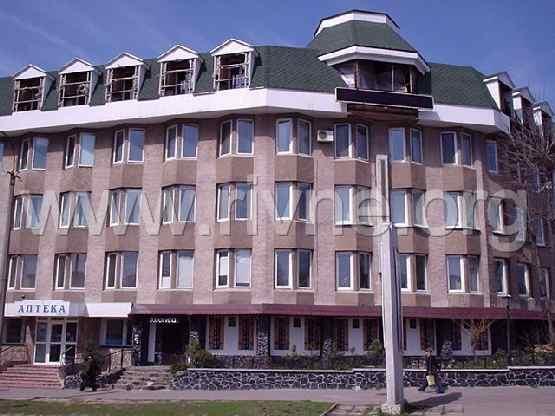
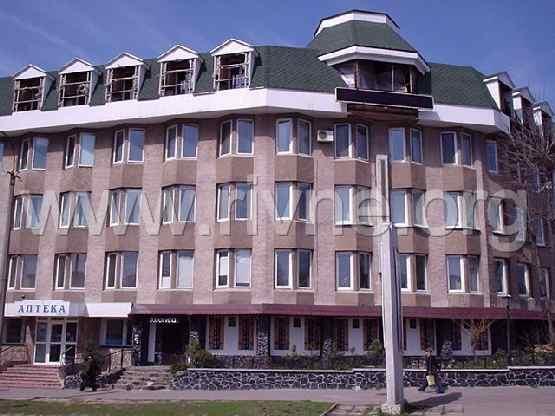
Gazotron appears often in Soviet Nixie and gas-discharge indicator searches. It was founded in Rivne in 1958 as a gas-discharge devices plant, began producing special equipment and devices in 1960, became the plant named for the 60th Anniversary of October in 1977, and became OJSC Gazotron in 1994. Its products included gas-discharge indicators, VFD lamps, DC gas-discharge panels, modules, lasers, consumer goods, and medical devices.
The plant went through a major production decline in the mid-1990s and resumed development of new products after 2001. By the 2020s it was no longer a working Soviet-style gas-discharge tube factory: the PJSC Gazotron legal entity was in termination in 2024, and the old factory site functioned as former plant territory with other occupants.
Gazotron produced indicator types commonly seen in Nixie and indicator searches: IN-1, IN-2, IN-4, IN-12A / IN-12B, IN-14, IN-16, IN-17, IN-18, and INS-1.
People usually look for Gazotron parts such as IN-18 with 40 mm digits, IN-14, IN-12A vs IN-12B, IN-16 and IN-17 for small clocks, and INS-1 neon dot indicators.
Foton, Tashkent
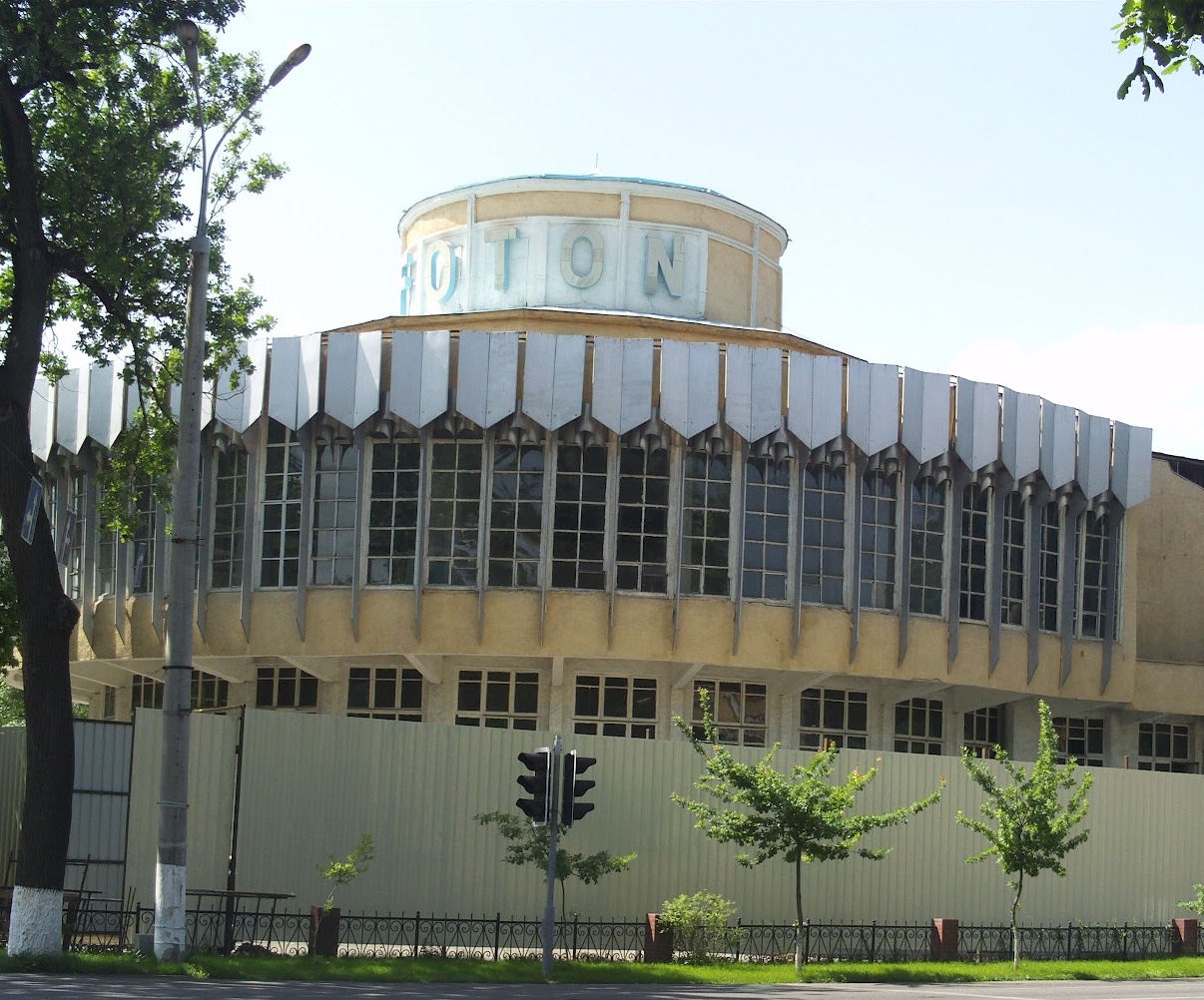
Foton has a direct link to wartime evacuation. Production of electronic generator and amplifying units began in 1942. The plant was created in 1941 on the basis of the electrovacuum plant evacuated from Fryazino, Moscow region. In 1965 the company was redesigned around semiconductor devices and integrated circuits.
Today, JSC Foton still exists in Tashkent, with product directions in electronic equipment, integrated circuits, and other electronics.
Foton produced tube models that appear in linked listings and collector/trade listings: 6N8S, 6N6P, 6P3S, 6N2P, 6N3P, 6N7S, 6P7S, G-807, and GM-70.
People usually look for Foton versions such as 1950s ribbed-anode 6N8S, Foton 6N8S matched pair, 1960s square-getter 6N6P, and Foton 6P3S.
NEVZ-Soyuz, Novosibirsk
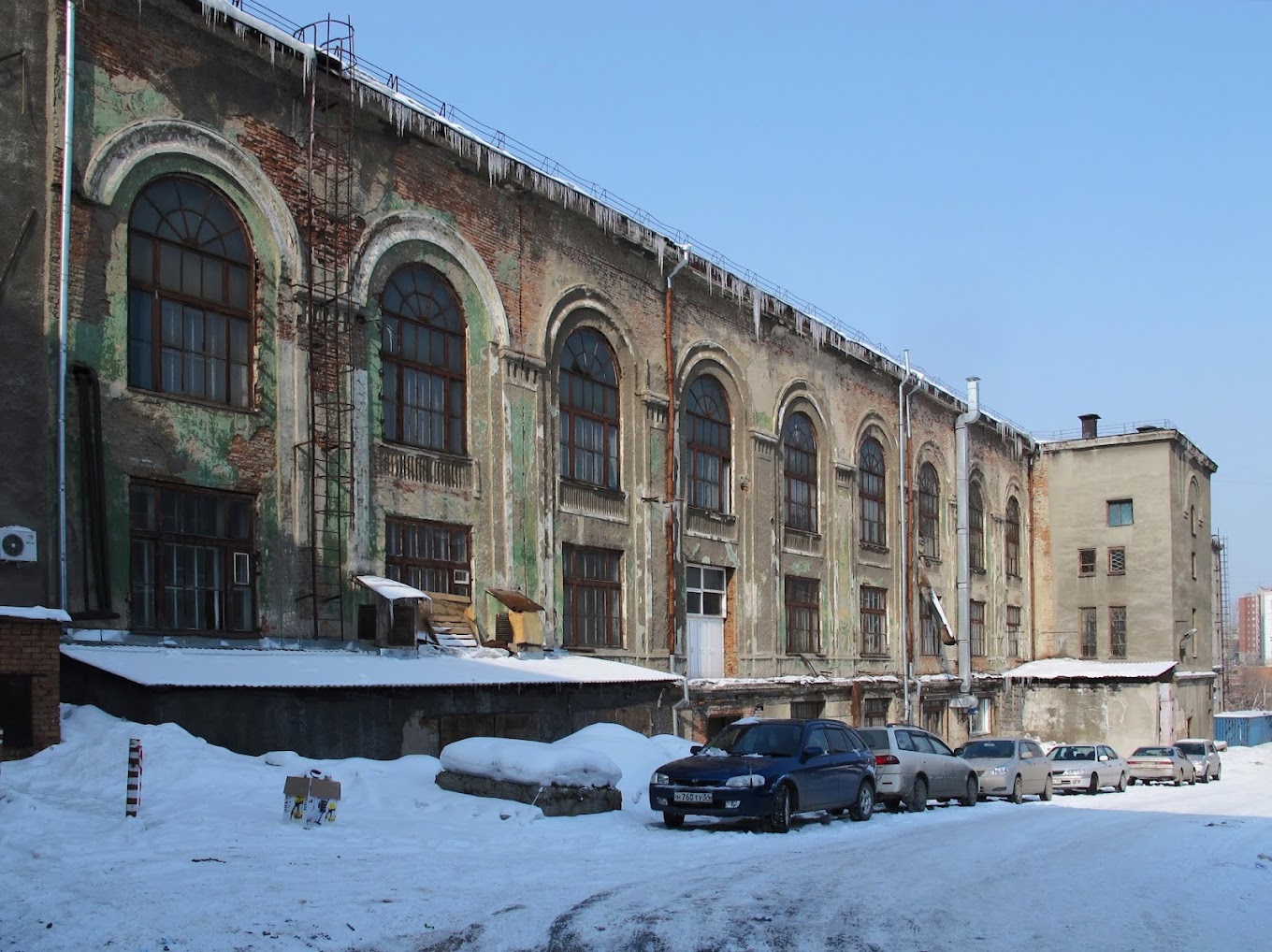
NEVZ means Новосибирский электровакуумный завод, Novosibirsk Electrovacuum Plant. NEVZ-Soyuz began from the wartime relocation of Svetlana’s production capacity and personnel from Leningrad to Novosibirsk. In August 1941, the Novosibirsk branch became an independent enterprise. The plant later produced glass and metal receiving-amplifying tubes, generator tubes, gas-discharge and mercury devices, and then miniature, subminiature, microwave, semiconductor, and LCD products.
The modern NEVZ-Soyuz legal entity is still active in Novosibirsk.
NEVZ produced tube models such as 5Z4G / 5Ts4S, 6A7, 6A8, 6A10, 6A10S, 6J1J, 6J3, 6J4, 6J8, 6K1J, 6K3, 6K4P, 6N1P, 6N5P, 6N6P, 6N7S, 6N8S, 6S2P, 6S2S, 6F12P, 6E12N, and V1906-D.
People usually look for NEVZ audio listings such as 6N8S with original boxes, NEVZ 6N8S matched pair, red-tip 6N6P, and 6N6P getter-on-two-wires.
Ulyanovsk Radio Tube Plant
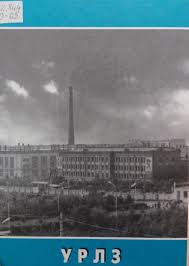
The Ulyanovsk radio tube factory mark is connected with military and aircraft-electronics tube production. The plant was nicknamed “Lampochka” in Russian tube slang. It closed and was demolished in 2001.
Ulyanovsk produced tube models such as 1509A, 6C33C / 6S33S, 6P36S, 6S19P / 6S19P-V, 6S41S, GU-17, GU-50, and GK-71.
People usually look for Ulyanovsk models such as 6S19P-V, 6C33C / 6S33S, 6S41S, GU-50, and GK-71.
Fryazino Radiolampa / Istok
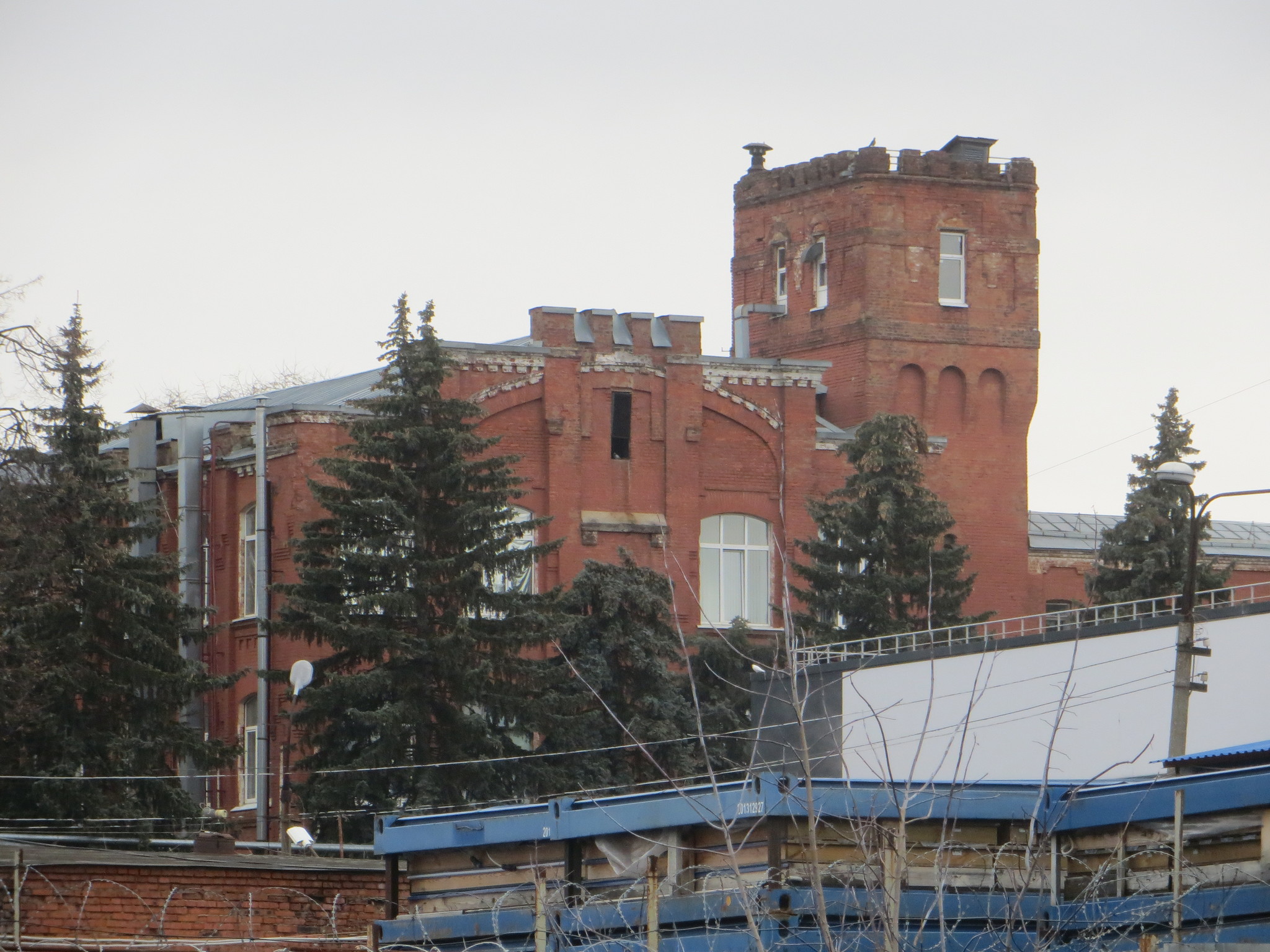
Fryazino is important because it sits near the beginning of Soviet radio-tube production. Construction of the Radiolampa plant in Fryazino began in 1933, and by 1934 it was producing receiving-amplifying and generator tubes. NPP Istok later became a leading enterprise for microwave electrovacuum and solid-state devices.
The Radiolampa plant was evacuated to Tashkent in 1941-1943. In 1943, NII-160 was organized on the Radiolampa base to develop and make electronic devices for radar technology.
NPP Istok remains active as a microwave electrovacuum and solid-state electronics enterprise.
Fryazino made receiving-amplifying and generator tubes before the later microwave focus. The linked tube example here is Fryazino 6P3S, including the “cobra” bottle shape that appears in old Soviet 6P3S searches.
ORZEP, Orel
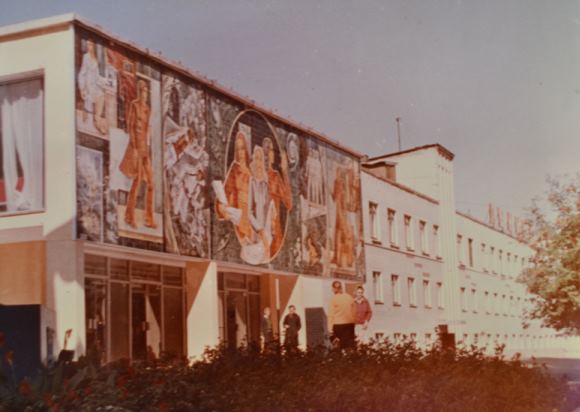
ORZEP is Орловский завод электронных приборов, the Orel Electronic Devices Plant. ORZEP developed and produced vacuum fluorescent and LCD indicators, receiving-amplifying tubes, sealed reed contacts, and consumer radio-electronic devices. In Russian tube slang, the plant was nicknamed “Malyutka.” It closed in 1992.
ORZEP produced tube and indicator models such as 1J29B-V, 1P24B, 1P24B-V, 6N16B-V, 6F1P, 6S6B-V, 6S7B, 6S7B-V, IV-21, IV-26, and ILC2-1/8L.
People usually look for ORZEP through 6S7B-V / 5744. The Orel plant also turns up in subminiature and VFD searches through 1J29B-V, 1P24B, 6N16B-V, IV-21, IV-26, and ILC2-1/8L.
Razryad / Yantar, Vladikavkaz
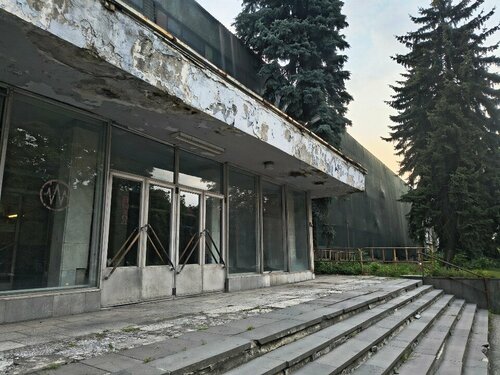
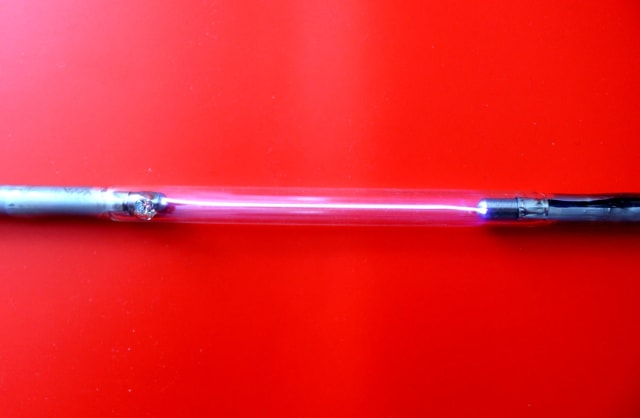
Razryad produced gas-discharge and flash-tube parts. AO Razryad in Vladikavkaz is still active and produces gas-discharge devices, including impulse xenon lamps.
The linked Razryad example is INP3-7/80A xenon flash tubes. Yantar/Vladikavkaz vacuum-tube records show 1Ts21P, 3Ts18P, and 6Ts10P high-voltage rectifier or damper tubes.
Yantar in Vladikavkaz closed in the 2000s. People usually look for Razryad/Yantar parts such as INP3-7/80A, 6Ts10P Yantar, 1Ts21P Yantar, and 3Ts18P Yantar.
Pluton and Ryazan
Two other factory names appear in Soviet electrovacuum-device searches.
Pluton in Moscow is an enterprise focused on microwave electrovacuum devices and related parts. A special design bureau for microwave electrovacuum devices was created there in 1946. Its later production focused on microwave devices, including magnetrons and M-type generator work.
Ryazan Electronic Devices Plant is associated with power/RF tubes. The plant was disbanded in 1993. The Ryazan type that appears clearly in public listings is GU-81M. Commons also places GU-81M material in the RZEP Ryazan vacuum-tube category.
Notes On The Model Lists
These model lists are compiled from public records and product listings rather than complete factory archives. Soviet factories also made military, microwave, CRT, special-purpose, and experimental electrovacuum devices that rarely appear in audio or Nixie searches.
Bottom Line
Most Soviet tube factories are gone or have become very different electronics companies. Their old tube production is a finite supply, so factory-marked stock becomes less common over time.
Still, the factory mark is not the most important thing. Condition, real test results, matching where needed, and use in the correct circuit matter the most.
Thank you for reading!
References used:
- Istok2 factory-logo index
- JAC Music Russian/Soviet tube factory logos
- diyAudio Russian and East European tube factory logos thread
- Foton factory photo
- Reflector plant photo
- Voskhod plant photo
- Gazotron plant photo
- NEVZ-Soyuz plant photo
- Ulyanovsk radio tube plant photo
- ORZEP plant photo
- Razryad plant photo
- Russian Wikipedia: Soviet and Russian vacuum tubes
- Svetlana official company page
- Wikimedia Commons: Svetlana factory aerial photo
- Saratov Reflector 50th anniversary history
- Wikimedia Commons: Reflektor Saratov vacuum tubes
- Wikimedia Commons: Reflektor Saratov VFDs
- Electro-Harmonix story: Saratov Reflektor / ExpoPul
- Electro-Harmonix vacuum tube page
- MZEVP / MELZ, Moscow Encyclopedia 1980
- Russian Wikipedia: Moscow Electric Lamp Plant / MELZ
- Wikimedia Commons: Svetlana vacuum tubes
- Wikimedia Commons: MELZ vacuum tubes
- Wikimedia Commons: MELZ building photo
- Voskhod history copy from ECWorld
- Kaluzhskaya Nedelya profile mentioning KRLZ production milestones
- PRIME disclosure: AO Voskhod-KRLZ
- Wikimedia Commons: Voskhod Kaluga vacuum tubes
- Gazotron, Encyclopedia of Modern Ukraine
- Clarity Project: PJSC Gazotron company record
- Rivne Vechirne: Gazotron former factory territory report
- Display Tubes: Gazotron IN-18
- JSC FOTON official page
- FOTON official company history
- Foton history copy from ECWorld
- Tubes-Store Foton 6P3S / G-807 listings
- Festima Russian tube listing with Foton types
- NEVZ-Soyuz history copy from ECWorld
- RBC Companies: NEVZ-Soyuz company record
- Wikimedia Commons: NEVZ Novosibirsk vacuum tubes
- Wikimedia Commons: Ulyanovsk Vacuum Tube Plant tubes
- Electronics.ru: NPP Istok history
- Great Russian Encyclopedia: NPP Istok
- Fryazino plant photo
- ExpoElectronica 2000: ORZEP listing
- Wikimedia Commons: ORZEP Oryol vacuum tubes
- Istok2: 6S7B-V by ORZEP
- IP Electron: ORZEP brand page
- Wikimedia Commons: Razryad factory logo
- Razryad factory site
- Wikimedia Commons: Yantar Vladikavkaz vacuum tubes
- IP Electron: 6Ts10P by Yantar
- IP Electron: 1Ts21P by Yantar
- IP Electron: 3Ts18P by Yantar
- Great Russian Encyclopedia: Pluton
- Russian Industry: Pluton microwave electrovacuum devices
- Wikimedia Commons: RZEP Ryazan vacuum tubes
- IP Electron: GU-81M by Ryazan Electronic Devices Plant